Built by practitioners, not commentators.
Crisis Lab is built on Capacity Building International, 30 years of field work alongside NATO, the EU, the UN, and national agencies. The analysis comes from the practitioners who did that work.
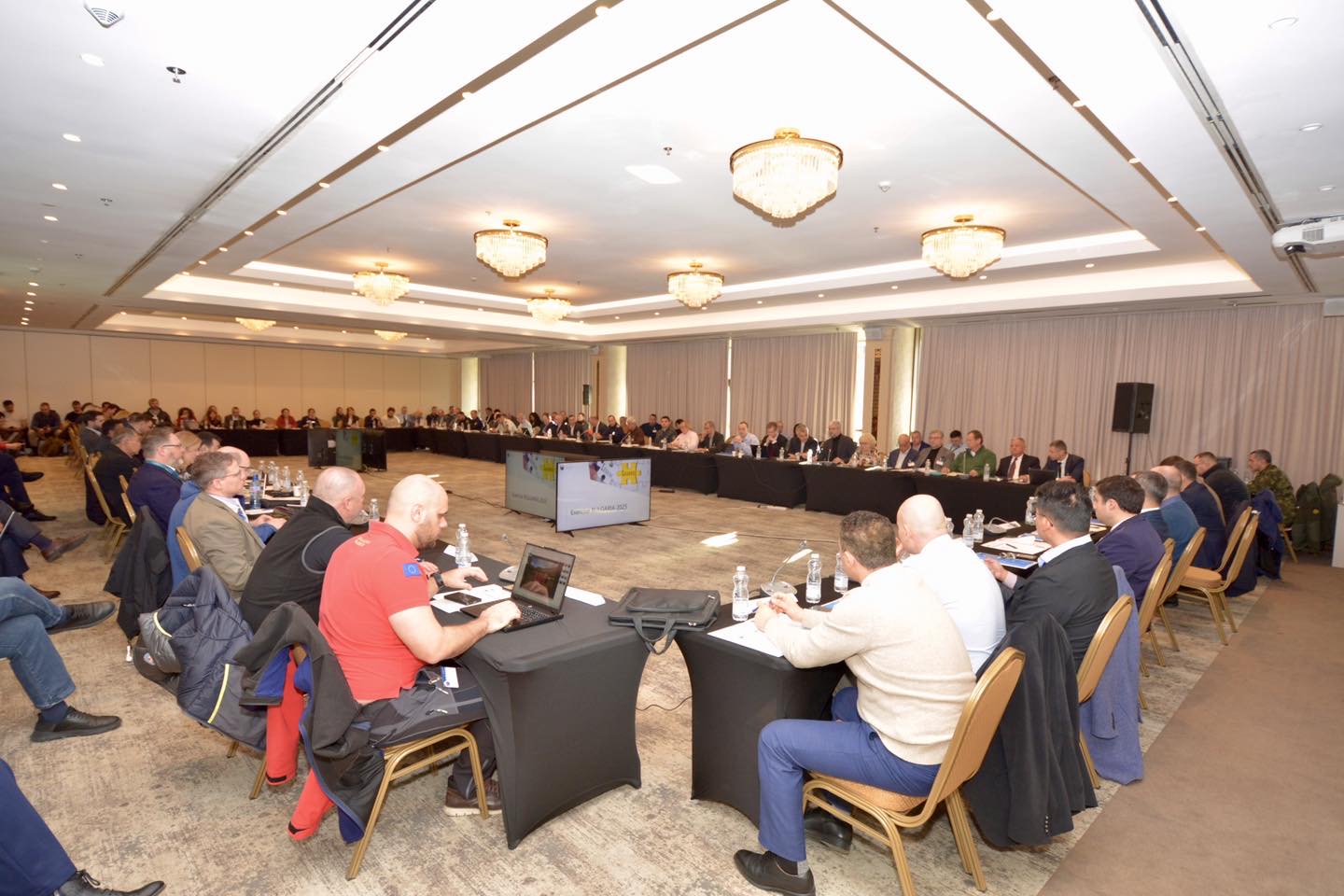
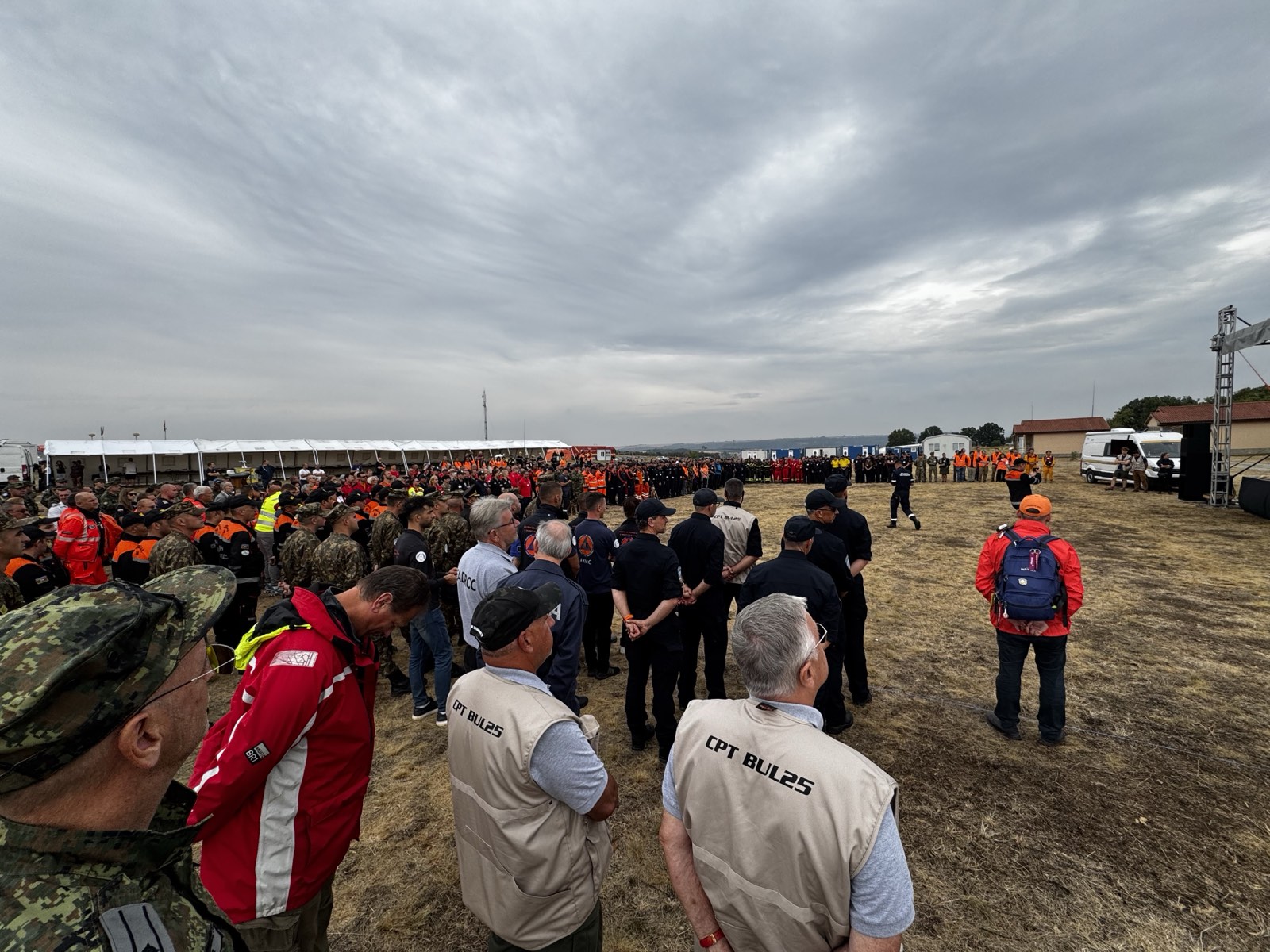
Kyle King led the Integration of Resilience Components working group at NATO’s Lessons Identified Conference following the BULGARIA 2025 exercise, the first time resilience integration was formally addressed as a dedicated session at a NATO emergency management conference. Drawing on CBI’s direct participation in the September 2025 field exercise near Montana, Bulgaria, the group delivered six findings to representatives of 30 Allies and 18 Partners. All six were incorporated into the official NATO BULGARIA 2025 Impact Report, and CBI was the only non-governmental organization to lead a working group at the conference.

Crisis Lab provided subject matter expertise for a two-day workshop on embedding resilience into Bulgaria’s National Security Strategy, organized by Bulgaria’s Security Council Secretariat with support from the Institute for Security Governance and hosted at the CMDR COE. Speakers from Finland, Sweden, and the United Kingdom set out lessons from their own national models, among them Finland’s total defense concept, Sweden’s civil defense reactivation, and the United Kingdom’s integrated security reviews. The Secretariat came away with practical reference points from three Allied nations for embedding resilience into national-level strategic documents.
NATO International Staff and the Government Centre for Security convened more than 40 experts from Ukraine, Finland, Norway, Poland, Sweden, and the United States to examine how regional authorities keep essential services running during sustained conflict. Ukrainian representatives from Chernihiv, Dnipro, Odesa, and Sumy walked through battlefield-tested procedures for energy distribution, communications, medical evacuation, food supply, sheltering, and transportation under active attack. CBI provided technical expertise to the workshop design and documented the operational findings for NATO resilience planning, including recommendations for Baseline Requirements implementation.
Capacity Building International, through Crisis Lab, provided operational expertise and facilitation for a three-day Black Sea resilience workshop co-organized by the Euro-Atlantic Resilience Centre, NATO’s EADRCC, and the Romanian Ministry of Internal Affairs. Civilian and military experts from Romania, Türkiye, Bulgaria, Ukraine, Moldova, and Georgia worked a realistic fictional scenario built around hybrid threats, including airspace violations, GPS jamming, sabotage, and electoral interference. Crisis Lab facilitators ran the table-top exercise on the European Commission’s POSEIDON platform, delivering injects in real time so teams could coordinate under pressure and identify where their institutions need to improve.
Capacity Building International, through Crisis Lab, delivered a five-day course at the NATO Crisis Management and Disaster Response Centre of Excellence, its fourth year supporting NATO resilience capacity development. Military and civilian professionals from member and partner nations worked through methods for assessing cross-sector vulnerabilities and for building coordination between defense and civilian systems. The Centravia crisis simulation carried the decision-making work, and participants finished with certifications validating competency in NATO resilience frameworks.
Crisis Lab delivered the keynote at the Smart Cities Conference 2025 and led its Safety and Resilience session, in front of European municipal leaders, urban planners, and technology specialists. The argument was that resilience belongs at the design and planning stage rather than as a program added afterward, because street layouts, utility systems, and public space design decide whether a city keeps functioning when primary systems fail. The session set out emergency access corridors, adaptive mobility with fallback routes, AI-enabled risk assessment built to work under compromised conditions, and the human oversight that safety-critical automation requires.
NATO Allies and partners came to Bulgaria to test disaster response procedures under the EADRCC framework, and planning activities in Sofia established the operational protocols and exercise architecture ahead of full-scale implementation. CBI provided technical expertise to the exercise design and documented operational findings for NATO disaster response doctrine. That work integrated host nation support procedures with alliance-wide response protocols and identified where national civil protection systems and NATO coordination structures depend on one another.

Put our analysis to work across your team or agency, with institutional access and tailored briefings.
Find out more →